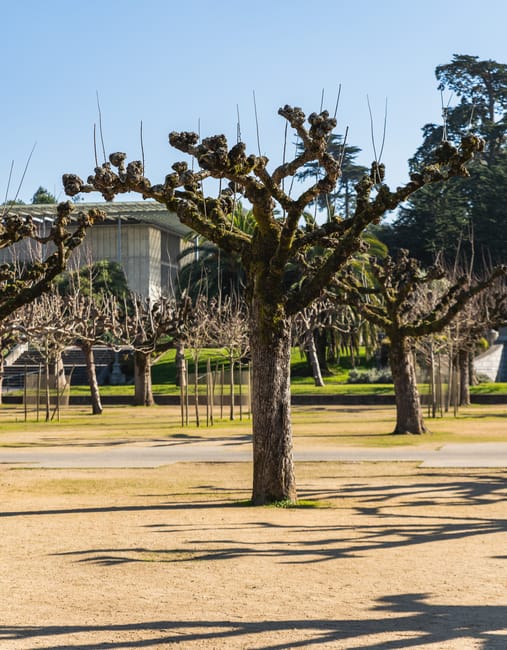
Kennington Park gardeners Newington seasonal pruning guide
If you've ever stood in the garden in late winter, secateurs in hand, wondering whether to cut now or wait a few weeks, you're not alone. A proper Kennington Park gardeners Newington seasonal pruning guide takes the guesswork out of the job. It helps you protect shrubs, shape hedges, keep trees healthy, and avoid that all-too-common mistake of pruning at exactly the wrong time. In a busy London garden, with tight spaces, mixed planting, and weather that can swing from mild to damp in a day, timing matters more than most people expect.
This guide is built for real gardens, not ideal ones. You'll find what to prune, when to prune it, what to leave alone, and how to judge whether a plant needs a light tidy or a more considered cut. We'll also cover the practical side: tools, safety, seasonal differences, common mistakes, and when it makes sense to call in professional support such as garden maintenance or hedge trimming. Simple enough. But not always easy, truth be told.
By the end, you'll have a clear seasonal pruning rhythm you can actually use, whether you're managing a small courtyard, a front garden, or a larger mature plot that needs regular care.
Table of Contents
- Why seasonal pruning matters in Kennington Park and Newington
- How the seasonal pruning approach works
- Key benefits and practical advantages
- Who this guide is for and when it makes sense
- Step-by-step pruning guidance
- Expert tips for cleaner, healthier results
- Common mistakes to avoid
- Tools, resources and recommendations
- Law, compliance, standards and best practice
- Methods and seasonal comparison table
- Real-world example
- Practical checklist
- Conclusion
- Frequently asked questions
Why Kennington Park gardeners Newington seasonal pruning guide Matters
Seasonal pruning is not just about keeping things neat. It shapes how plants grow, how much light reaches the rest of the garden, and how well shrubs and trees recover after cutting. In London gardens, especially around Kennington Park and Newington where many spaces are compact and bordered by fences, walls, and neighbouring plots, overgrowth can quickly become a practical problem. A hedge left too long can block light. A shrub pruned at the wrong time can lose flowers for the year. A small tree that is lightly managed in spring can become awkward by autumn.
That is why a seasonal approach works better than random cut-backs. Plants have rhythms. Some bloom on old wood, some on new growth, and some tolerate a winter trim while others sulk for months after. If you know the pattern, you save yourself work later. More importantly, you reduce stress on the plant. You may even notice better flowering, stronger structure, and fewer diseased stems. Nothing fancy. Just better timing.
There's also the local reality. Kennington and Newington gardens often deal with partial shade, urban dust, confined access, and established planting that has been there for years. In those conditions, pruning is often less about perfection and more about balance. Let the plant breathe. Keep pathways open. Prevent branches rubbing against brickwork or windows. Small things, but they add up.
If pruning is part of a broader routine, it often sits alongside lawn mowing and general tidy-ups, which is why many homeowners prefer a joined-up service rather than piecing everything together in bits and pieces.
How Kennington Park gardeners Newington seasonal pruning guide Works
The basic idea is simple: match the pruning job to the plant's growth cycle and the time of year. The same tool can be used in different seasons, but the cut you make in February is not the same as the cut you make in July. Winter pruning often focuses on structure and dormant plants. Spring pruning tends to be lighter, with an eye on new shoots and frost damage. Summer pruning is usually about control and shaping. Autumn is more cautious, because fresh cuts can be vulnerable if cold, wet weather arrives quickly.
Think of it as three decisions:
- What kind of plant is it? Flowering shrub, hedge, fruiting plant, tree, climber, or herbaceous perennial.
- What season are we in? Dormant, actively growing, or slowing down.
- What is the goal? Health, shape, safety, light, flowering, or access.
Once those three are clear, the right action usually becomes obvious. For example, a vigorous hedge may need clipping during the growing season to keep it tidy, while spring-flowering shrubs are often left until after blooming so you don't remove the buds before they open. That little detail catches people out all the time.
Professional gardeners also look at the plant's condition before making a decision. Is it congested? Is there dead wood? Are branches crossing? Are there signs of disease? A seasonal pruning guide isn't a rigid calendar. It's a practical framework. There's a difference.
Key Benefits and Practical Advantages
Good seasonal pruning gives you more than a tidy border. The benefits show up in the shape of the garden, the health of the plants, and the amount of time you spend correcting problems later.
- Healthier growth: Removing dead, damaged, or crowded stems helps air circulate and light reach the plant interior.
- Better flowering and fruiting: Timing the cut properly can protect next season's buds.
- Cleaner structure: Regular shaping prevents awkward, top-heavy growth.
- Reduced risk of breakage: Weak or rubbing branches are less likely to snap in wind.
- More usable space: Paths, gates, patios, and windows stay clear.
- Less remedial work later: Small, regular cuts are easier than a giant rescue job once a year.
There's a practical side too. In a garden that's looked after seasonally, the work is spread out. That means fewer dramatic cuts, less green waste at once, and less shock to the planting. It also makes the garden look cared for, which sounds obvious, but a lot of people only notice it after the fact. One light prune in the right month can save two heavy ones later.
Expert summary: The best pruning is usually the kind you hardly notice. It supports shape, health, and growth without forcing the plant into a fight it does not need to have.
For larger tidy-ups, especially where plants have been missed for several seasons, combining pruning with garden clearance can make the job safer and more manageable.
Who This Is For and When It Makes Sense
This guide is useful if you're a homeowner, landlord, tenant with garden responsibility, or property manager looking after a small or medium outdoor space in south London. It also helps if you like doing the work yourself but want a cleaner plan before you start snipping away on a Saturday morning.
Seasonal pruning makes sense when:
- plants are becoming leggy, overgrown, or uneven
- flowering shrubs have finished blooming and need shaping
- hedges are spilling into paths or neighbouring boundaries
- trees have dead, damaged, or rubbing branches
- you want more light into a shaded garden
- you're preparing for a new season of growth
It also makes sense if the garden has mixed planting and you are never quite sure what should be touched and what should stay alone. That's common, especially in established urban gardens where different owners have planted different things over the years. One bed might have roses, another evergreen shrubs, then a tree that has quietly become taller than expected. A bit of a jumble, really.
If the garden includes hard landscaping, decked seating, or tight access around structures, pruning is often easiest when planned alongside other outdoor work. A broader services overview can help you think about the full picture instead of tackling each job separately.
Step-by-Step Guidance
Below is a straightforward seasonal pruning method you can adapt to your own garden. The aim is not to turn every plant into a textbook specimen. The aim is to keep it healthy and sensible.
1. Walk the garden first
Start with a slow look around. Check which plants are overgrown, which are flowering, and which look tired or damaged. Stand back a little. The problem often reads more clearly from a distance than it does up close. You'll notice the shape of the garden before you notice the individual stems.
2. Identify what you are cutting
Before making a cut, ask whether the plant flowers on old wood, new growth, or both. If you are unsure, reduce the cut rather than going in hard. It's far easier to trim again later than to put back lost flowering wood. Common sense, but easy to forget when the sun is out and the secateurs are in your hand.
3. Remove the obvious problem material
Take out dead, diseased, broken, or crossing stems first. This is usually the safest starting point and often improves the plant before any shaping begins. Keep cuts clean and close to a healthy bud or branch junction where appropriate.
4. Shape gently, not aggressively
Use the plant's natural form as your guide. Avoid hacking into a perfect dome just because it feels tidy. A soft, natural line usually looks better and recovers faster. If a hedge needs a stronger correction, do it in stages rather than all at once.
5. Step back and reassess
Pruning is one of those jobs where a few minutes away from the plant saves a lot of regret. Step back, look again, and check the balance. Too much one side? Leave it. Let's face it, most lopsided cuts come from not pausing long enough.
6. Clear up as you go
Remove clippings, especially in damp weather. They can make paths slippery and create a hidden mess under shrubs. If the pile is substantial, or if the garden has become cluttered with cuttings and debris, professional help from recycling and sustainability focused teams can make disposal more efficient and less wasteful.
7. Water and monitor after pruning
Not every plant needs feeding after a light prune, but many do benefit from a little attention if weather turns dry. Watch for stress signs over the next couple of weeks: leaf scorch, poor regrowth, or an uneven flush of new shoots. Usually, a well-timed prune settles down quickly.
Expert Tips for Better Results
Good pruning is often about judgement rather than force. A few small habits make a big difference.
- Prune on a dry day where possible. Cuts heal more cleanly, and you're less likely to spread disease on wet foliage.
- Keep tools sharp. Blunt blades crush stems instead of slicing them cleanly. It's not dramatic, but it matters.
- Use different cuts for different plants. Hedges, shrubs, roses, and trees all need slightly different handling.
- Don't remove too much at once. For many plants, a light, regular prune is healthier than one severe cut.
- Watch the weather forecast. Late frosts, heavy rain, and strong winds can all affect recovery.
- Prune for light and airflow. In compact London gardens, this is often more useful than perfect symmetry.
One useful trick is to think in layers. Remove the obvious problem wood first, then the crowding, then the shape. That order stops you from cutting more than you need. And yes, there is a point where a hedge starts looking better simply because it can finally breathe.
If trees are involved, be more cautious. For anything substantial, or if a tree leans over roofs, fences, or shared boundaries, it may be better to bring in specialists such as tree lopping and removal rather than trying to manage it as a casual weekend job.
Common Mistakes to Avoid
Most pruning errors are understandable. People want a tidy finish and move too quickly. The trouble is, plants do not always forgive haste.
- Cutting at the wrong season: This is the classic mistake, especially with spring-flowering shrubs.
- Taking off too much: A hard cut can expose stems, reduce flowering, and create uneven regrowth.
- Using dirty tools: This can spread disease between plants.
- Ignoring plant type: A hedge is not a rose, and a tree is not a shrub.
- Leaving ragged cuts: Rough cuts can invite damage or decay.
- Forgetting neighbouring property: Overhanging growth and boundary issues can become awkward fast.
Another common issue is pruning because a plant simply looks messy after winter. Fair enough, it can be tempting. But the plant's needs come first. Some plants look untidy right before they burst into life. Others need a little patience before they can be shaped safely. That's the annoying part, honestly.
When pruning has turned into a bigger all-round tidy-up, bringing in support through garden maintenance is often smarter than treating each plant as an isolated job.
Tools, Resources and Recommendations
You do not need a van full of kit to prune well. In most gardens, a small set of reliable tools is enough.
| Tool | Best use | Practical note |
|---|---|---|
| Hand secateurs | Small stems, flowers, thin shrub growth | Keep blades sharp and clean |
| Loppers | Thicker stems that are too large for secateurs | Useful for controlled leverage |
| Pruning saw | Older, woody branches | Better for clean cuts than forcing loppers |
| Hedge trimmer | Regular hedge shaping | Best for routine maintenance rather than heavy renovation |
| Gloves and eye protection | General safety | Especially useful with thorny or brittle plants |
For larger hedges or regular boundary trimming, you may want a more structured approach and professional attention, particularly if the hedge fronts a shared path or needs a neat line throughout the growing season. In those cases, hedge trimming can be the most efficient route.
Other useful considerations:
- Waste bags or bins: Have a disposal plan before you start.
- Stable footing: Avoid wobbly stools and overreaching from ladders.
- Weather window: Morning is often easier because plants are dry and visibility is better.
- Plant labels or notes: Helpful if the garden has several unknown shrubs.
If you are planning wider outdoor improvements later in the year, pruning can be a good first stage before bigger changes through landscaping or landscape gardening.
Law, Compliance, Standards and Best Practice
For most domestic gardens, pruning is a matter of sensible horticultural practice rather than heavy regulation. That said, there are a few important points to keep in mind. If a tree is protected, part of a conservation area, or close to shared boundaries, extra care may be needed before any significant work is done. Where trees or tall hedges are near roads, footpaths, or neighbouring properties, safe working methods matter just as much as the final look.
Good practice also includes:
- using the right tool for the size of cut
- avoiding unsafe ladder use where possible
- keeping work areas clear for residents and visitors
- disposing of green waste responsibly
- checking for nesting birds or active wildlife before major seasonal work
In urban areas, it's wise to be cautious about heavy pruning during the main nesting season. If you are unsure, a careful delay is usually the sensible choice. Better to wait than to create a problem you didn't intend. Professional gardeners working in London often build this caution into their planning automatically, especially when dealing with mixed mature planting and compact shared spaces.
Safety standards also matter if pruning is carried out alongside other outdoor tasks. If access is awkward, branches are heavy, or the work involves higher reach, you want a service with clear safety procedures and proper insurance. That is where pages like health and safety policy and insurance and safety become reassuring reading, even if most people would rather never need them.
Options, Methods, or Comparison Table
Different pruning methods suit different jobs. The wrong method usually creates more work later, while the right one keeps growth predictable.
| Method | Best for | Pros | Watch-outs |
|---|---|---|---|
| Light seasonal trim | Routine shaping of shrubs and hedges | Quick, neat, low stress | May not fix severe overgrowth |
| Selective pruning | Mixed planting, flowering shrubs, trees | More natural, better for plant health | Needs judgement and plant knowledge |
| Renovation pruning | Very old, neglected, or overgrown plants | Can restore structure over time | Must be done carefully, sometimes over several seasons |
| Hard reduction | Problem hedges or safety issues | Creates immediate clearance | Can look harsh and may stress the plant |
In practice, the best approach is usually selective pruning first, then only escalate if the plant genuinely needs more. A lot of gardens in Newington and around Kennington Park benefit from restraint, not drama. You can do a great deal with a measured cut and a sensible second look.
Case Study or Real-World Example
Imagine a small rear garden with three main elements: a flowering shrub near the patio, a boundary hedge, and a young ornamental tree near the back wall. By late spring, the shrub has finished flowering, the hedge has started to spill over the edge, and the tree has a few crossed branches that catch in the wind.
A seasonal pruning plan would usually look something like this. First, the spent flowering shrub is lightly shaped, keeping enough healthy growth for next year. Then the hedge is trimmed to keep the path open and maintain a clean line. Finally, the tree is checked for dead or rubbing branches and only the problem growth is removed. Not everything gets cut. That's the point.
What changes afterwards? The patio gets more light, the hedge looks intentionally maintained rather than hacked, and the tree has a better framework going into the next season. The garden still looks like itself, which is often the best result. No one wants a garden that looks punished.
In a real weekend job, you might start with a cup of tea, spot one rogue branch, and suddenly realise the whole thing needs a more thoughtful plan. Happens all the time. Better to slow down at that moment than carry on cutting for the sake of it.
Practical Checklist
Use this checklist before you start any seasonal pruning work:
- Identify the plant type before cutting
- Check whether it flowers on old or new wood
- Confirm the season and recent weather
- Inspect for dead, damaged, or diseased wood
- Clean and sharpen tools
- Wear gloves and eye protection where needed
- Plan how clippings will be collected and removed
- Prune lightly first, then reassess
- Keep an eye on boundaries, fences, and access points
- Stop if the job feels bigger than expected
If the garden has become cluttered or unmanaged over time, a reset may be more efficient with garden clearance before you move into routine pruning. And if you're budgeting the work out properly, it can help to review pricing and quotes early so there are no surprises.
Conclusion
A smart seasonal pruning routine is one of the simplest ways to keep a garden healthy, attractive, and easier to live with. For Kennington Park and Newington gardens especially, where space is often tight and plantings are varied, the right cut at the right time can make the difference between a garden that constantly fights you and one that settles into its shape.
The main lesson is straightforward: prune with the plant's season in mind, not just your own schedule. Start small, cut carefully, and remember that some restraint is a strength. You do not need to do everything in one go. In fact, that's usually where the trouble starts.
If you want help turning this guide into a dependable garden routine, speaking with a trusted local team can save time and take the pressure off. A well-kept garden is rarely the result of one big effort; it's usually a series of sensible decisions made at the right moment.
Get a free quote today and see how much you can save.
And if you're still deciding what to tackle first, start with the plant that's most overgrown. That first clean cut tends to make the rest feel possible.
Frequently Asked Questions
When is the best time to prune most garden plants in Kennington Park and Newington?
It depends on the plant. Many deciduous shrubs are best pruned in late winter or after flowering, while hedges often need shaping during the growing season. The safest answer is to match the timing to the plant type rather than using one rule for everything.
Can I prune my hedge any time of year?
Not usually. Light trimming is often fine during the growing season, but heavy hedge reduction should be timed more carefully. If birds may be nesting or the hedge is very established, it's better to be cautious and avoid rushed cuts.
What's the difference between pruning and trimming?
Pruning usually means removing selected stems to improve health, shape, or flowering. Trimming is more about keeping the surface neat and controlled, which is common with hedges. They overlap a bit, but they are not quite the same job.
Should I prune flowering shrubs before or after they bloom?
Usually after flowering if they bloom on old wood. If you prune too early, you may remove next season's flower buds. That single detail is where a lot of good shrubs get accidentally ruined for a year. Annoying, but fixable with the right timing.
How much should I cut off in one session?
For most home gardens, less is better. A light seasonal prune is often enough, especially if the plant is healthy. If you need to remove a large amount, do it in stages where possible so the plant is not shocked.
What tools do I need for seasonal pruning?
At minimum, clean secateurs and gloves. For thicker stems, loppers or a pruning saw may be needed. For hedges, a hedge trimmer can help, but only if the plant is suitable for that type of cut.
Do I need professional help for pruning?
Not always. Simple deadheading, light shaping, and small hedge maintenance are manageable for many homeowners. But if trees are involved, access is awkward, or the garden has become badly overgrown, a professional is usually the safer and faster option.
What should I do with pruning waste?
Small amounts can usually be bagged or composted if appropriate. Larger volumes may need collection or disposal as part of a wider tidy-up. If you want a cleaner, greener process, it helps to plan waste handling before you start cutting.
Is pruning safe near fences, sheds, or patios?
Yes, if you work carefully and use the right tools. The risk comes from overreaching, unstable footing, or cutting branches that spring back unexpectedly. Keep the area clear and don't rush the job.
Can seasonal pruning improve the look of a small garden?
Absolutely. In a compact garden, even a modest prune can create better light, cleaner lines, and more breathing room. The change can be surprisingly noticeable, especially when the garden has felt crowded for months.
What if I'm not sure whether a plant should be pruned now?
When in doubt, pause and identify the plant first. A gentle tidy is usually safer than a heavy cut. If you still feel unsure, it may be worth getting advice before you prune, especially for older shrubs or any tree with a strong structural role.
How often should seasonal pruning be done?
That depends on the species and the garden's pace of growth. Some hedges need attention several times a year, while shrubs may only need an annual or seasonal check. The key is regular observation rather than waiting until everything has got out of hand.