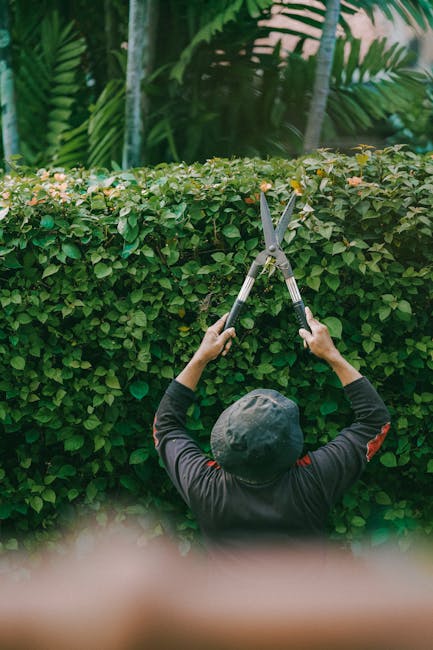
Gardeners Newington Newington Causeway Maintenance Tips for a Healthier, Easier Garden
If you live or work near Newington Causeway, garden upkeep can feel a bit like a weekly negotiation with the weather, foot traffic, and whatever the planting beds decided to do overnight. The good news? With the right Gardeners Newington Newington Causeway maintenance tips, you can keep outdoor spaces tidy, resilient, and far less stressful to manage. Whether you have a compact courtyard, a shared frontage, a small private garden, or a larger landscaped plot, the basics are surprisingly consistent: regular attention, sensible pruning, healthy soil, and a maintenance rhythm that suits the space rather than fighting it.
This guide breaks the process down into clear, practical steps. You will find local-minded advice, common mistakes to avoid, and a realistic view of when professional help becomes the smarter choice. To be fair, gardens rarely fail because of one big problem. It is usually the little things building up. A missed hedge trim here, clogged borders there, and suddenly everything looks more tired than it should.
And yes, a neat garden is nice to look at. But good maintenance also helps reduce plant stress, improve safety, and protect surfaces, fencing, and hard landscaping over time.
Why Gardeners Newington Newington Causeway maintenance tips Matters
Maintenance is the difference between a garden that looks intentional and one that just survives. Near Newington Causeway, that matters even more because many outdoor spaces are exposed to pollutants, shade from nearby buildings, limited root room, and plenty of general urban wear. Plants in these conditions do not get the luxury of being ignored for long.
Regular maintenance helps you spot problems early. A yellowing lawn patch may be a simple drainage issue, or it may be the first sign of compaction. A hedge that looks a little wild may just need light shaping now, rather than a heavy cut later. That kind of early intervention saves time, money, and the odd groan from anyone doing the trimming.
It also improves day-to-day use. A clear path is safer. Healthy planting beds are easier to enjoy. A properly maintained garden tends to cope better with seasonal swings, especially in London where one week can feel wet, then suddenly hot, then damp again by Friday. The garden keeps asking for consistency, basically.
If you want a more structured service approach, it can help to look at a broader garden maintenance service alongside the specific jobs you need. For larger overgrown spaces, a one-off garden clearance can reset the site before regular upkeep begins.
How Gardeners Newington Newington Causeway maintenance tips Works
Good maintenance is not about doing everything at once. It is about creating a repeatable routine that matches the season and the garden's condition. The work usually falls into a few core parts: cutting, tidying, feeding, checking, and adjusting.
In practical terms, that means the following:
- Routine inspection: Look for weeds, pests, weak growth, broken stems, pooling water, or damaged edges.
- Targeted pruning: Trim hedges, shrubs, and climbers at the right time to support healthy regrowth.
- Lawn care: Mow at the correct height, clear clippings when needed, and avoid cutting too hard in dry spells.
- Border care: Weed, mulch, and refresh planting areas so the soil stays healthier for longer.
- Surface upkeep: Sweep paths, check for slippery patches, and keep decking or paving from collecting debris.
If you have sections like boundary hedging or fast-growing shrubs, using a dedicated hedge trimming service can keep growth compact and reduce the need for drastic reshaping later. For lawns, a regular lawn mowing service is often the simplest way to maintain a clean, even finish without overworking the grass.
The real trick is timing. A little maintenance done often is nearly always better than a huge tidy-up once everything has gone a bit feral. Truth be told, gardens forgive regular care far more readily than emergency intervention.
Key Benefits and Practical Advantages
People usually think of maintenance as a visual job, but the practical benefits run deeper.
- Healthier plants: Regular checks help you catch stress, disease, and nutrient issues earlier.
- Better curb appeal: A tidy garden makes a property feel more cared for, even from the pavement.
- Lower long-term costs: Minor work now can prevent expensive remedial work later.
- Safer outdoor spaces: Clear paths, stable edges, and tidy growth reduce everyday hazards.
- More usable space: You can actually enjoy the garden instead of merely looking at it through the window.
- Stronger seasonal resilience: Well-managed gardens tend to recover faster after wet, hot, or windy spells.
There is also a less obvious advantage: maintenance creates rhythm. Once the jobs become routine, the garden stops feeling like a looming weekend burden. That alone can change how people use the space. Suddenly it becomes somewhere you sit with a cup of tea, rather than somewhere you keep meaning to tackle.
Expert summary: The best maintenance plans are simple enough to repeat, flexible enough to respond to weather, and detailed enough to catch small issues before they turn into bigger ones.
Who This Is For and When It Makes Sense
This kind of maintenance advice is useful for a wide range of people. Homeowners with private gardens need it. Landlords need it. Small businesses with frontages or courtyards need it. Even managed buildings often need a clearer maintenance rhythm than they currently have, especially where tenants or visitors see the space every day.
It makes sense if any of the following sound familiar:
- The garden looks tidy for a week, then slips back very quickly.
- Hedges and shrubs are getting leggy or uneven.
- The lawn is thinning, patchy, or full of moss.
- Weeds keep returning in borders and paving cracks.
- You are not sure what should be pruned, and when.
- You want the space to look better without overhauling everything.
It also makes sense if you are weighing up whether to do the work yourself or outsource part of it. Some jobs are simple enough. Others, not so much. For example, basic sweeping and deadheading are manageable for most people. But if a garden has become heavily overgrown, professional support through services overview pages can help you understand how different tasks fit together. Landscaping changes, for instance, are a different proposition from maintenance alone, and a bigger transformation may need landscaping or landscape gardening rather than simple routine care.
Step-by-Step Guidance
Here is a practical maintenance sequence that works well for many Newington gardens. It is not the only method, but it is a sensible one.
- Start with a full walk-through. Look at the garden from end to end. Notice what is overgrown, what is bare, and what has shifted out of place. You are not judging it. Just taking stock.
- Remove obvious clutter and debris. Fallen leaves, broken pots, dead stems, and accumulated rubbish make it harder to see the real condition of the space.
- Deal with weeds before they seed. This is one of those small jobs that pays back quickly. Pulling or cutting early always beats chasing a mature weed problem later.
- Check lawns and borders separately. Lawns need height control and airflow. Borders need soil care, mulch, and selective trimming.
- Prune with purpose. Remove dead, damaged, or crossing growth first. Then shape lightly. If you find yourself getting more aggressive than planned, pause. That usually means the plant needs a calmer approach.
- Feed and water thoughtfully. Dry pots, young plants, and stressed borders may need more regular watering, but avoid constant shallow watering. Deep, less frequent watering is often healthier.
- Inspect hard surfaces. Clean paths, steps, and decking edges so slippery residue does not build up. If the timber looks worn or algae-prone, a specialist decking services approach may be more appropriate than a quick sweep.
- Finish with a reset. Put tools away, straighten edges, and step back. A tidy finish helps you notice what still needs attention next time.
A small but important point: do not try to solve every issue in one session. That is how people end up exhausted, sore, and surrounded by half-finished piles of cuttings. Better to leave the garden improved and plan the next pass sensibly.
Expert Tips for Better Results
These are the details that usually separate decent maintenance from genuinely good maintenance.
- Cut less, more often. Light, regular pruning is kinder to plants than harsh, irregular cuts.
- Watch the edges. Most gardens look neglected at the edges first: fence lines, path borders, and the tucked-away corners.
- Use mulch where possible. It helps suppress weeds and keeps soil moisture more stable. Not glamorous, but effective.
- Match mowing to the season. In dry weather, raise mower height a little. Short grass can scorch faster than people expect.
- Do not ignore airflow. Dense growth holds moisture, which can encourage disease and unsightly die-back.
- Work with the garden's shape. A compact urban space needs different maintenance from a broad family garden. There is no prize for using a one-size-fits-all approach.
One more thing. If you are not sure whether a shrub should be cut back hard or just lightly shaped, it is usually safer to go lighter first. You can always do more. You cannot uncut a branch, which is annoyingly final.
For gardens that include mature trees, heavy limbs, or clearance around damaged growth, it may be worth reviewing tree lopping and removal information before taking on anything too ambitious. Safety matters, and so does keeping the tree healthy where possible.
Common Mistakes to Avoid
Most maintenance mistakes are understandable. People are busy. Weather interrupts plans. Sometimes the garden is fine until one weekend when it suddenly is not.
- Cutting hedges too hard at once: This can leave ugly gaps and stress the plant.
- Scalping the lawn: Too-short mowing weakens grass and invites weeds.
- Leaving clippings in the wrong place: A light layer can help in some situations, but thick mats of debris can smother growth.
- Ignoring drainage: Water pooling in one area usually gets worse, not better, if you simply hope for the best.
- Using the wrong tools: Dull blades tear rather than cut, and that is rough on plants.
- Waiting for major overgrowth: The longer you leave it, the harder and more expensive the recovery tends to be.
It is also common to forget about the non-plant parts of the garden. Paths, timber features, edging, and bins or storage areas affect the overall impression more than people think. A beautifully planted garden can still feel tired if the practical parts are falling apart around it.
Tools, Resources and Recommendations
You do not need a shed full of specialist equipment to maintain a decent garden. In many cases, a basic, well-kept toolkit is enough.
| Task | Useful tool or approach | Why it helps |
|---|---|---|
| General tidying | Rake, broom, sturdy bags | Keeps the space clear and makes inspection easier |
| Lawn care | Sharp mower, edging tool | Improves finish and reduces stress on grass |
| Pruning | Secateurs, loppers, saw for thicker stems | Gives cleaner cuts and better control |
| Weed control | Hand weeding, hoe, mulch | Prevents weeds from taking over borders and paving |
| Surface cleaning | Outdoor brush, gentle wash methods | Reduces algae, dirt, and slipping risk |
If you prefer to outsource planned maintenance rather than buying and storing equipment, comparing package options through pricing and quotes can be a sensible next step. It is often easier to budget once you understand whether you need regular visits, seasonal visits, or a one-off reset.
For readers who want to understand who is behind the work, about us is useful for learning more about the team and approach. If you are ready to discuss a job or ask a practical question, the contact us page is the direct route.
And for anyone concerned about service standards beyond the garden itself, it can be reassuring to review pages like health and safety policy, insurance and safety, and recycling and sustainability. Those details are boring until they are suddenly very relevant. Then they are quite important, actually.
Law, Compliance, Standards, or Best Practice
For most garden maintenance work, the main concern is not a complicated legal process. It is sensible, safe practice. That said, in the UK it is wise to think carefully about waste handling, working at height, electrical equipment, and any task involving climbing, cutting, or access near walls, fences, or public-facing areas.
Best practice usually includes the following:
- Dispose of green waste properly: Do not leave cuttings piled where they block drainage or create hazards.
- Use equipment correctly: Keep blades sharp, cords managed, and tools in working order.
- Take care around access points: Shared paths, entrances, and narrow courtyards need extra attention.
- Be cautious with trees: Anything involving unstable limbs or height should be assessed properly before work begins.
- Respect neighbours and shared spaces: Quiet working, tidy boundaries, and clean finishes matter in dense urban areas.
If a garden is part of a managed property, there may also be building rules, lease conditions, or site expectations to keep in mind. Those are not always dramatic, but they can affect timing, access, and disposal. Better to check than guess. Saves hassle later.
Professional maintenance providers should also have clear policies around payments, security, complaints handling, and accessibility. Those pages may not be the most exciting reading in the world, but they help build trust and set proper expectations.
Options, Methods, or Comparison Table
Not every garden needs the same type of care. Here is a useful comparison to help you choose the right approach.
| Approach | Best for | Pros | Watch-outs |
|---|---|---|---|
| DIY routine care | Small, manageable gardens | Low cost, flexible timing, full control | Easy to fall behind, tools and time required |
| Seasonal professional tidy-up | Gardens that need periodic reset | Fast improvement, good for neglected spaces | Does not replace ongoing upkeep |
| Regular maintenance visits | Busy households, landlords, businesses | Consistent appearance, fewer surprises | Requires ongoing budget and scheduling |
| Combined maintenance and landscaping | Spaces needing structural improvement | Can solve design and upkeep issues together | Usually more involved than basic maintenance |
For many Newington Causeway properties, the sweet spot is often a hybrid approach. Handle the easy, frequent jobs yourself if you want to, then bring in professionals for the trickier or more physical tasks. That tends to be the least stressful route, and honestly, the most realistic one.
Case Study or Real-World Example
Take a typical inner-London courtyard near a busy road: a few raised beds, one narrow lawn strip, some climbing plants, and a hedge line that has been getting a bit ambitious. At first glance it does not look disastrous. Just slightly tired. Then you look closer and notice weeds pushing through the edges, moss on the paving, and one shrub leaning so far out that it blocks light from the border behind it.
The owner in this scenario did not need a full redesign. They needed structure. The first visit focused on clearing debris, cutting back growth, and reshaping the hedge line. The second stage was simpler: lawn recovery, border weeding, soil improvement, and a repeatable monthly visit. Nothing dramatic. But the difference was obvious by the next season. The space felt brighter, easier to walk through, and more intentional.
That is often how good maintenance works. Not with one huge transformation. With a few sensible decisions made in the right order. The garden breathes again. So do the people using it.
Practical Checklist
Use this checklist before and during maintenance work. It keeps the job grounded and stops you from forgetting the boring-but-important things.
- Walk the garden and note any urgent issues
- Remove litter, dead growth, and loose debris
- Check for weeds in beds, cracks, and edge lines
- Mow lawn areas at a sensible height
- Trim hedges and shrubs lightly unless major reduction is needed
- Inspect paths, steps, and decking for dirt or slippery patches
- Water plants that are under stress, but do not overdo it
- Mulch bare soil where appropriate
- Bag green waste safely for disposal or collection
- Review whether any job has become too large for DIY
Quick takeaway: If a task involves height, heavy cutting, persistent overgrowth, or safety uncertainty, step back and get proper help rather than forcing it. A garden should be improved, not won by attrition.
Conclusion
Good garden maintenance near Newington Causeway is less about perfection and more about rhythm. A little attention at the right time keeps plants healthier, paths safer, and the whole space easier to live with. That is the real win. Not just a neat photo moment, but a garden that quietly works for you week after week.
Start with the basics: regular checks, measured pruning, sensible mowing, and honest decisions about what you can handle yourself. Then build from there. If the space has become too overgrown, too awkward, or simply too time-consuming, there is no shame in bringing in help. In fact, that is often the smartest move.
And if you want a clearer sense of costs, scope, or service options, a professional conversation can save a lot of guesswork. Gardens are personal, after all. The right plan should feel practical, not overwhelming.
Get a free quote today and see how much you can save.
Sometimes the best garden improvement is simply getting back to steady, calm maintenance. The rest follows quite naturally.
Frequently Asked Questions
How often should I follow Gardeners Newington Newington Causeway maintenance tips?
For most gardens, a light weekly check and a more complete monthly tidy-up works well. Faster-growing hedges, lawns, and borders may need more frequent attention during spring and summer.
What is the most important part of garden maintenance?
Consistency. Small, regular jobs usually prevent the bigger problems that cost more time and money later. If you only do one thing, keep an eye on weeds, hedge growth, and lawn condition.
Can I manage a Newington garden myself?
Yes, if the space is manageable and you are comfortable with basic cutting, sweeping, and weeding. But if the garden is overgrown, awkwardly shaped, or includes larger trees or decking issues, professional help may be the better option.
What should I do first if my garden has been neglected?
Start with clearing debris and identifying the worst problem areas. Do not jump straight into heavy cutting. A calm reset is usually safer and more effective than trying to do everything in one go.
Is hedge trimming part of regular maintenance?
Absolutely. Hedges can change the whole look of a garden, and regular trimming keeps them dense, tidy, and easier to control. Leaving them too long often makes the next cut more difficult.
How do I keep my lawn looking healthy in an urban area?
Mow at a sensible height, avoid cutting too short in dry weather, and keep an eye on compacted or shaded areas. Urban lawns often need a bit more patience than people expect, especially where light is limited.
When is garden clearance better than maintenance?
If the space is heavily overgrown, filled with waste, or difficult to access, clearance is usually the right first step. After that, routine maintenance can keep it under control.
Do I need special equipment for these maintenance jobs?
Not always. A decent mower, secateurs, loppers, rake, and broom cover a lot of ground. For more complex work, or where safety is a concern, a professional service is often the safer route.
What are the biggest mistakes people make with garden upkeep?
The biggest ones are cutting too much too quickly, ignoring weeds until they spread, and leaving lawn care too long between visits. Another common one is forgetting about paths, edges, and hard surfaces.
How can I tell if I need landscaping instead of basic maintenance?
If the garden keeps failing because of layout, drainage, surface problems, or poor structure, then maintenance alone may not be enough. At that point, a landscaping or landscape gardening review can be more useful than repeated tidy-ups.
Are professional gardeners useful for small gardens too?
Yes, very much so. Small gardens can still become time-consuming, especially if they include hedging, narrow access, or lots of awkward corners. A small space can sometimes be the trickiest of all.
What should I look for in a local gardening service?
Look for clear service information, sensible safety practices, transparent pricing, and a practical approach to maintenance rather than a one-size-fits-all promise. It helps if they explain what they will do and what they recommend next.